
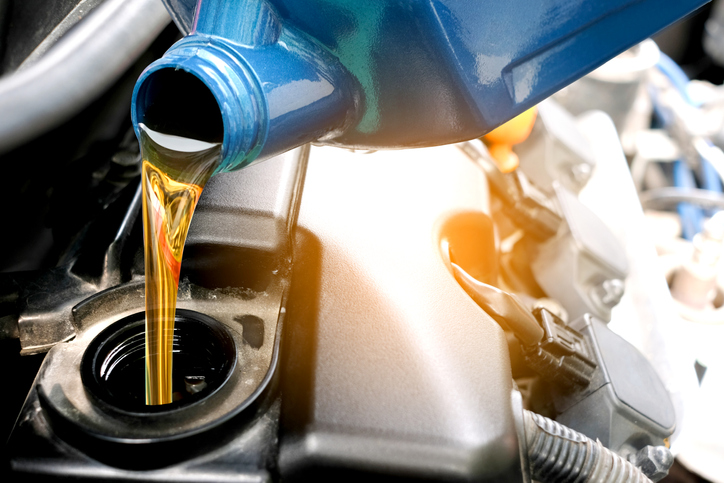
Using Free Radicals To Monitor Engine Oil Age
Car owners are advised to change their engine oil every 3000-5000 miles. But what is actually happening to the oil over time in the engine? We have heard about the benefits of antioxidants in the body. Antioxidants also help engine oil. In use, engine oil is subjected to high temperatures and high shear stresses which […]

The Rheology of Beer
Princeton scientists Alban Sauret, Francois Boulonge, Emilie Dressaire, and Howard Stone have applied fluid dynamics and rheology to help long-suffering beer drinkers understand why beer with a head of foam are less likely to slosh and spill compared to their counterparts with less foam. Simple experiments, like the images shown above, indicate that reducing the […]

Swedish Warships and Quality Management Systems
In the design of a new device, a good manufacturer will follow quality management principles to ensure the device meets the requirements of the end-user. What does this have to do with Swedish warships? History can provide us with useful lessons on quality management systems. The Vasa was a warship built in 1626 that holds […]
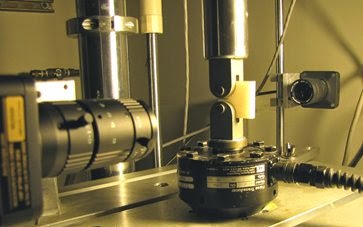
Automatic Crack Length Measurements in Fatigue Testing
Plastic components subjected to cyclical loading cycles during their use can sometimes failure through fatigue crack formation. A plastic that shows good toughness in static testing may have brittle behavior when exposed to millions of fatigue cycles, particularly in parts with a sharp notch. Fatigue crack propagation testing helps to determine if a material is […]
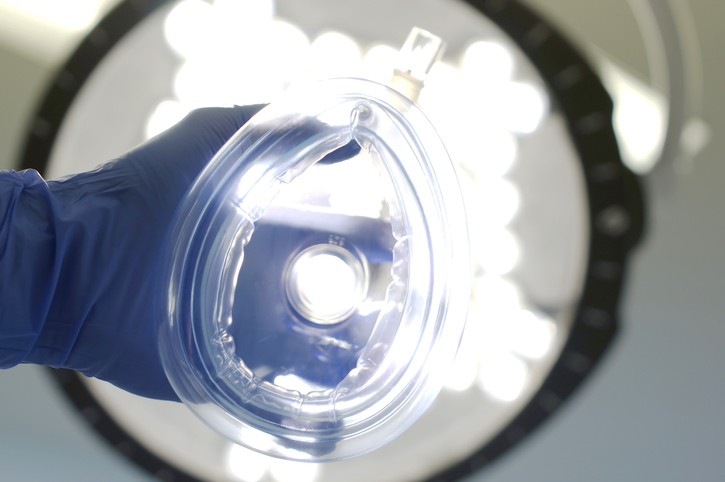
Detecting Potentially Harmful Contaminants in Medical Anesthesia
Many drugs used for the induction and maintenance of general anesthesia are volatile organic compounds that are delivered to the patient via inhalation. The low boiling point and high volatility of these compounds make them ideally suited for analysis by gas chromatography with mass spectroscopy (for example, as part of an in-process or QC check […]

Recent Articles on Cleanliness of Medical Devices
Two articles recently appeared in Qmed that discuss medical device cleanliness. The first discusses the effects of cleanliness on the application of coatings on guidewires. Guidewires are used to help steer catheters and other cardiovascular equipment through blood vessels. PTFE is often applied to improve lubricity of the guidewires. When problematic flaking of the PTFE […]
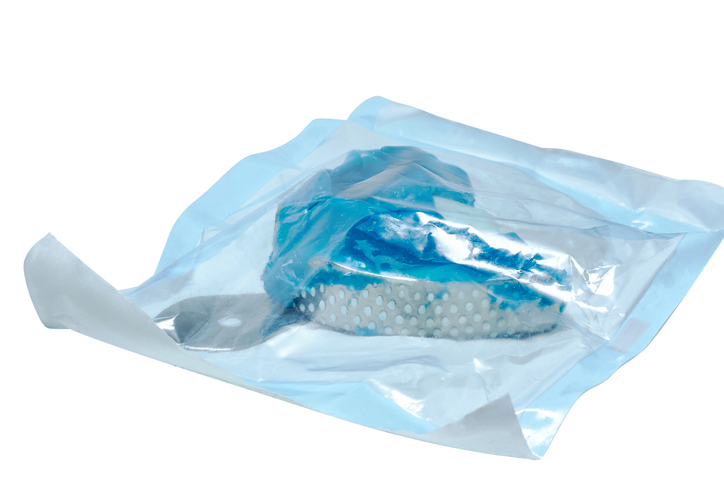
Oxygen Content in Packaging
Manufacturers of medical devices and food products will often use packaging with a reduced oxygen level in the region of the product to minimize oxidation of the product and increase shelf-life. Inert gas, such as nitrogen or argon, may be flushed through the packaging, or vacuum may be pulled on the packaging. Alternatively, an iron-based […]

CPG Staff Cycle in Boston
Some of the staff at Cambridge Polymer Group and their spouses participated in Boston’s annual Hub on Wheels, a 50 mile bike ride that winds through the Boston and its surrounding communities. The ride raises money for the Special Olympics, the Boston Parks and Recreation Fund, and Boston Bikes, an organization set up to encourage […]

Blame it on Saliva
An article recently appeared that discuss the use of extensional rheometry to characterize natural polymer systems. The study, published in Food Hydrocolloids by Choi and co-workers, considers the effect of saliva on food products thickened with either xantham gum or carboxymethyl cellulose. These authors used a CaBER extensional rheometer, developed by Cambridge Polymer Group, to […]
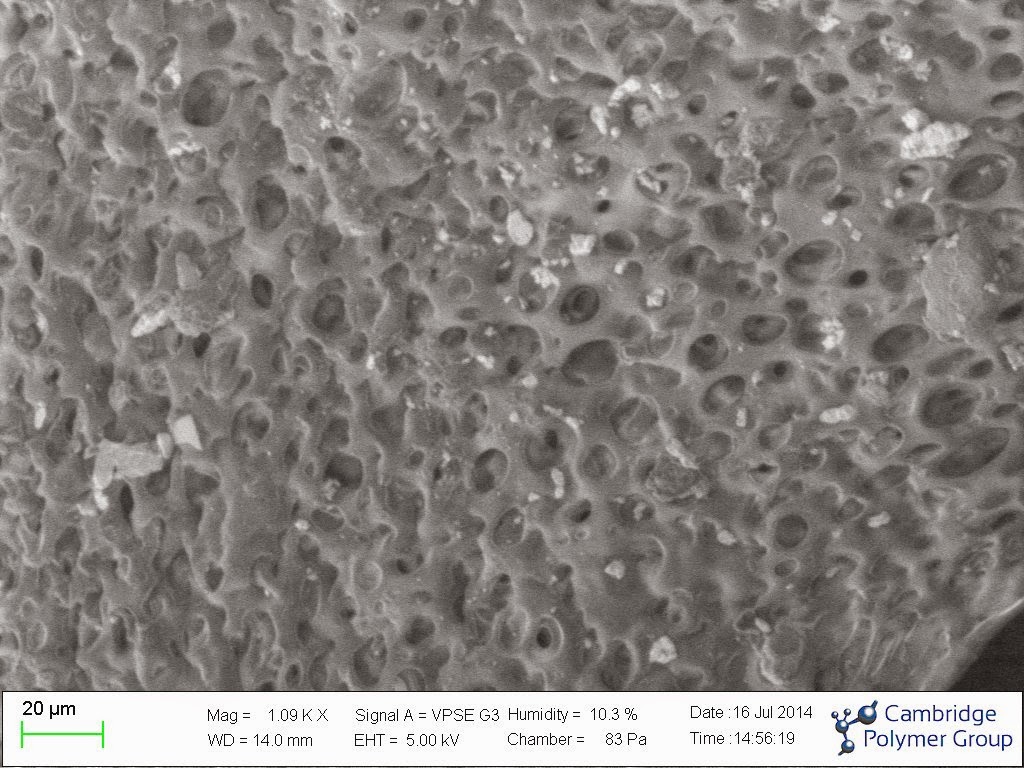
Variable Pressure Scanning Electron Microscopy
SEM micrograph of hydrogel pore structure taken in a hydrated state Scanning electron microscopy (SEM) is a powerful imaging technique that can be used to discern morphological features down to nanometers. High energy electrons are focused into a narrow beam with electro-magnets, which then impinge on the sample and scatter backward off the surface. This […]