Posted by Cambridge Polymer Group on | Comments Off on Cleanliness in Medical Devices
Join CPG scientists Stephen Spiegelberg and Gavin Braithwaite for a webinar on medical device cleanliness. The discussion will include examples of what happens when cleaning processes are not properly verified and validated, how to establish the number of samples to test, how to test for device cleanliness, and how to establish acceptable residue limits.
Dr. Spiegelberg is the chairman of the ASTM task group on Medical Device Cleanliness, and Dr. Braithwaite regularly consults on cleaning issues in the medical device area.
This webinar is targeted towards:
Medical device manufacturers
Medical device engineers
Process engineers
Quality engineers
Regulatory personnel
Duration: 30 minutes
Cleanliness in Medical Devices Webinar
Thursday, February 23, 2 p.m., Eastern Standard Time
Posted by Cambridge Polymer Group on | Comments Off on Silly Putty Plus Graphene Yields Sensitive Pressure Sensor
A group of Irish researchers from Trinity College, Dublin have created a new, extremely sensitive pressure detector using Silly Putty. Physicist Jonathan Coleman mainly works with graphene, a 2D material that was isolated in 2004 with remarkable properties. Graphene is strong (200 times greater than steel), thin (1 million times thinner than a human hair), and the most conductive material on earth.
Silly putty, developed by industrial scientists nearly 70 years ago, also has unique properties of its own. Depending on how it is handled, Silly Putty can bounce, shatter, or flow like a viscous liquid. This rheological behavior is characterized by the Deborah number, which is the ratio of the response time of the material to the time scale of the experiment. A Deborah number much greater than 1 indicates the material will act like an elastic solid, whereas a Deborah less than 1 indicates the material will act like a fluid. This behavior is further illustrated in our application note on Silly Putty.
One of Coleman’s students came up with the idea of mixing graphene with Silly Putty, and the resulting material substantially altered the Silly Putty’s electromechanical properties. The new material, “G-putty,” displayed unusual behaviors such as postdeformation temporal relaxation of electrical resistance and nonmonotonic changes in resistivity with strain due to the high mobility of graphene in the low-viscosity polymer matrix of Silly Putty. With a gauge factor greater than 500, this electromechanical sensor can measure pulse, blood pressure, and even the impact associated with the footsteps of a small spider.
Before “G-putty” fulfills its potential to become a wearable medical device, it must be shown to be reproducible in large quantities. Additionally, it must be tested to determine long term performance.
Posted by Cambridge Polymer Group on | Comments Off on The Importance of Failure Analysis
Earlier this week, Samsung announced the results of their investigation into the Galaxy Note 7 failure. The Galaxy Note 7 phones spontaneously caught fire, leading to a recall of approximately 2.5 million devices and losses of over $2 billion dollars. Though the initial defective phones were recalled, their replacements also began to catch fire, spawning an investigation by Samsung.
According to an internal investigation aided by outside experts, the root cause of the failure was battery short circuits. Of the two companies that supplied batteries for the Galaxy Note 7, both had separate issues ultimately leading to fires.
Battery “A”, the original battery, suffered from a deformation in the negative electrode that caused it to touch the positive electrode. The deformation was caused by a design flaw in the pouch (a “case” surrounding the battery components) that did not allow sufficient space for the battery components to expand and contract during charging and discharging cycles. This caused the negative electrode to become bent; weakening a component designed to keep the positive and negative electrodes from touching, eventually allowing the positive and negative electrodes to come into contact.
Battery “B”, the replacement batteries, failed due to a welding issue on the positive tab. A small piece of welding material was left sticking out and was enough to perforate the separator that keeps the positive and negative electrodes from touching, causing a short circuit. The short circuit caused temperatures high enough to melt copper elements inside of the phone.
Samsung said it is implementing an 8-point battery safety check intended to ensure the quality and safety of its products going forward.
Samsung’s battery issues highlight several areas broader than the battery technology field. Having a robust quality system in place that encompasses vendors, incoming components, internal procedures and final product quality is essential to avoiding the situation in which Samsung found itself – high-profile and dangerous field failures of its products. One specific aspect of such a quality system would include sufficient reliability testing of both components and final assemblies to catch potential failure modes before a product is released. Whether failures are discovered during internal testing or during service, detailed failure analysis to determine the root cause of the failures is essential to reaching a solution.
Cambridge Polymer Group identifies opportunities for quality system improvements, designs and implements effective reliability testing, and conducts failure analysis employing a variety of analytical techniques and multi-disciplinary professional expertise. Ensure your products perform to your customers’ satisfaction, minimizing the risk of embarrassing field failures.
Posted by Cambridge Polymer Group on | Comments Off on Use of Olive Oil in Packaging Analysis
Olive oil, which is simply the oil extracted from the fruit of olive trees, has been cultivated for thousands of years across the Mediterranean Basin. Today, olive oil is steadily increasing in popularity across the globe due to its health benefits. Some studies suggest that long-term consumption of small amounts of olive oil may aid in a lower incidence of heart disease due to the chemicals polyphenol and oleocanthal, an antioxidant, obtained from the oil.
Bottom of the Barrel
The highest grade of olive oil, called extra-virgin, is an unrefined oil which contains a higher amount of natural vitamins and minerals found in olives. The International Olive Council (IOC) governs approximately 95% of international olive oil production and regulates the use of labels for olive oils. According to the IOC standard for extra-virgin olive oil, the oil must not contain more than 0.8% acidity and is judged to have superior taste and no sensory defects.
Of all varieties of olive oil, extra-virgin accounts for only about 10% of oils in major producing countries. Unfortunately, the United States is not a member of the IOC, and with only voluntary standards put in place by the USDA, Americans are often left with the “bottom of the barrel.” In a 2010 study performed by the University of California, Davis it was found that nearly 69% of supermarket oils marketed as “extra-virgin” were not actually extra-virgin according to IOC standards.
Migration Testing in Food Packaging
At CPG, we test olive oil, but not to determine its IOC grade. Instead, we use olive oil as a fatty food stimulant for migration testing in food packaging. Samples of food packaging, or plastic that is contact with food, such as conveyor systems, are immersed in olive oil for specified lengths of time. The amount of extracted products from the plastic into the oil must be determined by accounting for the weight loss in the sample, corrected by the amount of absorbed olive oil into the sample. Typically, extraction with derivatization of the oil, followed by GC-MS, allows quantitative assessment of the amount of absorbed oil. In addition, GC-MS, along with LC-MS, can be used to quantify and identify individual species extracted by the oil from the plastic. Details of the requirements for food contacting materials in Europe can be found in EU No. 10/2011.
Posted by Cambridge Polymer Group on | Comments Off on I Can See Clearly Now
An abandoned house or factory building is often associated with windows boarded up with plywood. Over time, glass windows can break due to neglect or vandalism, and the plywood boarding helps prevent rain, snow, and debris from entering the building. The appearance of plywood boarding, however, draws attention to the abandoned nature of the building, and can shield illicit activity inside the building from the eyes of neighbors and law enforcement.
Several communities have converted to polycarbonate sheets instead of plywood. Polycarbonate is a transparent plastic that is much tougher than glass, which will help against breakage, yet has the same appearance as glass, effectively improving the curb appeal and inhibiting illegal activities inside the property. The technique of using polycarbonate sheets is called ‘clear boarding,’ and is being mandated by Fannie Mae on its vacant properties. Polycarbonate is used for bullet-resistant glass found in banks and armored cars, as well as windows for airplanes, motorcycles, helicopters, and some screens for electronics. Polycarbonates were first found in the late 1800s, but finally commercialized in the 1950s.
Two potential downsides to clear boarding are the cost, which can be upwards of 6 times as much as plywood, and challenges with entry by firefighters. The tough nature of polycarbonate requires firefighting personnel to cut through the polycarbonate enclosures with saws, rather than breaking them with axes. Proponents of clear boarding suggest that the reduced chance of property damage and illegal activities will offset the cost and reduce the likelihood of arson or accidental fires.
Posted by Cambridge Polymer Group on | Comments Off on Evolution of Drug Resistant Bacteria
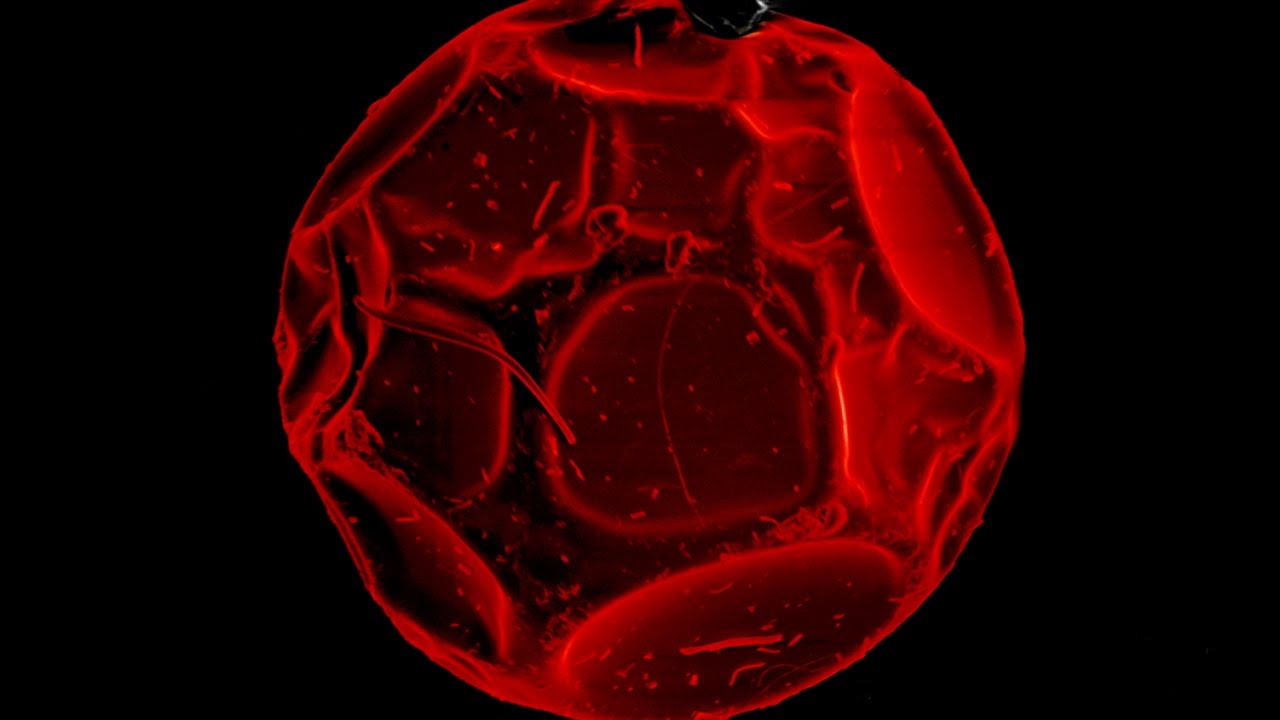
Recently there has been increasing concern with antibiotic resistant bacteria. To a large extent, this increase can be attributed to over-subscription of antibiotics leading to evolved resistance of the bacteria. At its worst, this heightened use of antibiotics has led to organisms such as Methicillin-resistant Staphylococcus aureus (MRSA), also known as a “super bug”. The real issue behind this bug is that it can be present in hospitals and healthcare facilities where the most vulnerable population are present. However, visually demonstrating this acquired resistance is not straightforward and therefore the message of being more judicious with antibiotics (and fully completing the prescribed course) can get lost.
Researchers at Harvard University released a compelling video that allows one to watch the acquired resistance to antibiotics visually:
Posted by Cambridge Polymer Group on | Comments Off on Rheology’s Role in Dysphagia
Ever have a lump in your throat? You may have dysphagia, a medical condition whereby the patient has difficulty swallowing solids and liquids. There are multiple causes for dysphagia, ranging from gastroesophageal reflux to esophageal cancer. If not treated, pulmonary aspiration could occur when liquids enter the lungs by accident. Treatment of dysphagia depends on the source of the condition, but may be as simple as modifying swallowing behavior and changing diet, or it may require surgery for more complicated conditions.
Artificial Throat Monitors Flow Behavior of Food
We have often discussed the rheology, or flow behavior, of food products on our web site, and how it relates to taste and consumer perception. Rheology of food can also play a role in dysphagia. Thicker liquids may be easier to swallow for dysphagia patients. To test this theory, researchers at the University of Cambridge, headed by Professor Malcolm Mackley, constructed an artificial throat to monitor flow behavior of liquids of varying viscosities when ‘swallowed’ by the throat.
Dialysis tubing was used to model the throat, with rollers and counterweights representing the tongue. Optical access allowed the monitoring of the residence time of a bolus of fluid makes its way past the tongue and epiglottis.
Various fluids containing common thickeners used in the food industry (xantham gum, nutilis) were investigated. Shear and extensional rheometry were performed, since both these modes of deformation would be present in the throat, and provided key viscoelastic properties for the fluids.
The authors concluded that the viscoelastic properties of the test fluids played a role in the amount of time it took for the fluid to travel from the epiglottis to the airway, which could affect aspiration and patient comfort.
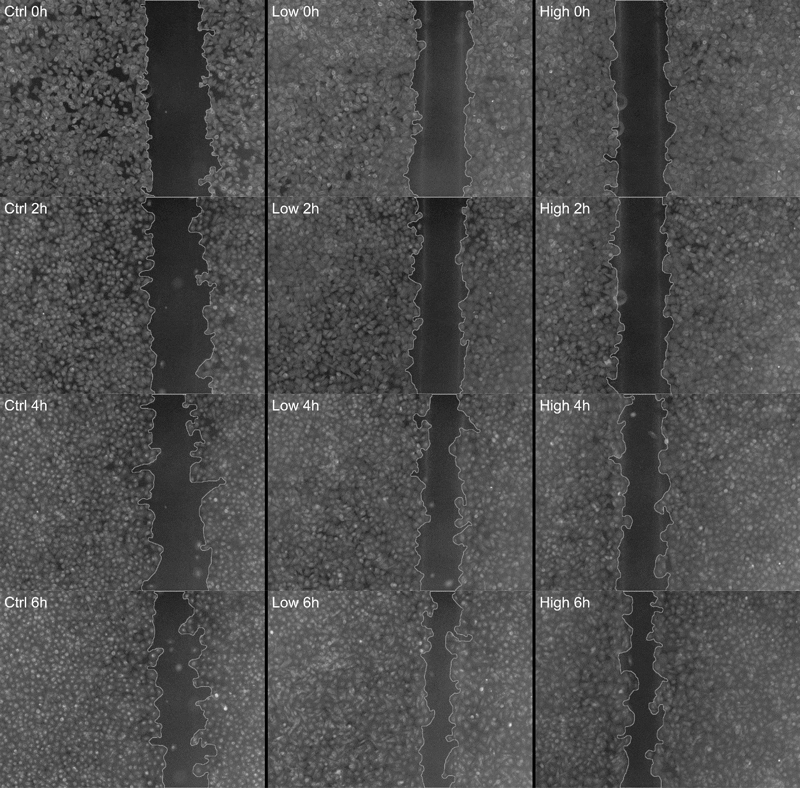
With their hydrogel system, wounds closed in less than 2 weeks. The peptide-hydrogel system promotes survival of the cells, and gives the cells a substrate to crawl over to help with wound closure.
Posted by Cambridge Polymer Group on | Comments Off on Caramel: A Baker’s Excuse for Over-Cooking
As the holiday baking season approaches, we are naturally thinking about caramel. At CPG, we have tested caramels and other food products in order to determine why some of these products have better ‘mouth-feel’ than others based on rheological assessment, a science sometimes termed ‘psychorheology’.
Chemistry of Caramel
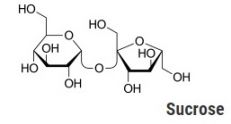
The discussion today, however, has to do with the chemistry of caramel. Caramel is the result of a decomposition reaction of sucrose (also known as table sugar) when it is heated to its decomposition temperature, between 170-186 C. Sucrose is a disaccharide made up of glucose and fructose. When it decomposes, water is released through a condensation reaction, along with glucose initially. Additional polymerization and isomerization then occurs, resulting in multiple high molecular weight compounds, as well as lower molecular weight compounds.
The lower molecular weight compounds are more volatile, and generate the characteristic aroma associated with caramels, including ethyl acetate (fruity/pineapple), furans (almonds), diacetyl (butter flavor), and maltols (toasted bread).
Sucrose, on the other hand, has a very mild odor, often not detectable due to its low volatility. The distinctive caramel smell is familiar to many polymer analysts who either deliberately or inadvertently decompose polysaccharides, generating many of the same compounds found in caramel.
The chemical reactions that occur at this stage are not really well known, even to this day. It is known that dimerization occurs, whereby two sugars reaction to form a single molecule containing three cyclical structures and a dianhydride. These structures are then believed to undergo hydrolysis reactions that product a compound called caramelan (C12H12O9), caramelen (C36H18O24) and. caramelin (C24H26O13), depending on the amount of water lost. These compounds form particles that have color centers believed to result in the color changes in caramel.
In addition to these reactions, free radicals are produced, which play a role in the tacky nature of caramels due to enhanced van der Waal’s interactions.
So although a great deal is not known about the chemical reactions in caramel, we can all perform our own enthusiastic home study on this wonderful cooking mistake.
Posted by Cambridge Polymer Group on | Comments Off on FDA Workshop on Refurbishing of Medical Devices
If you were not able to attend the FDA workshop on “Refurbishing, Reconditioning, Rebuilding, Remarketing, Remanufacturing, and Servicing of Medical Devices Performed by Third-Party Entities and Original Equipment Manufacturers” last October, the video and transcript are available here.
CPG President Stephen Spiegelberg speaks during October 28, Part 4.